

Monument Sign vs Pylon Sign: Which One Is Right for Your Property?
Pylon vs monument sign is one of the most common comparisons business owners make when planning new exterior signage. Your sign affects first impressions, brand recognition, and how easily customers find your location. However, the best option depends on traffic speed, property setbacks, and local sign codes.
At Aria Signs & Design, we help you choose a sign that fits your site and your brand. With the right strategy, you can improve visibility while staying compliant with zoning and permitting rules.
Pylon vs monument sign: quick overview
Both sign types are freestanding, but they serve different goals. A pylon sign prioritizes long-distance visibility. A monument sign focuses on curb appeal and architectural integration.
- Pylon sign: tall, pole-supported, often used near highways and busy roads
- Monument sign: low-profile, ground-mounted, designed to blend with landscaping
What is a pylon sign?
A pylon sign is a tall, freestanding sign supported by one or two columns. Because it sits high above the ground, it is easy to see over traffic, parked vehicles, and nearby buildings. Therefore, it works well for properties that rely on passing motorists.
Common uses for pylon signage
Pylon signage is popular for locations where drivers need more time to react. It is also common in multi-tenant developments with tenant panels or directory displays.
- Shopping centers and retail plazas
- Hotels and restaurants
- Gas stations and convenience stores
- Hospitals and large commercial corridors
What is a monument sign?
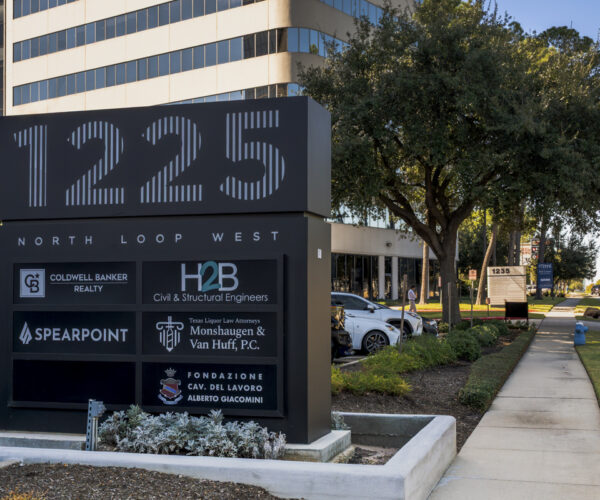
A monument sign is a ground-mounted sign that sits closer to eye level. It often uses durable materials such as stone, brick, concrete, metal, or architectural panels.
Additionally, it creates a polished look that supports brand identity. If you want to learn more about monument signs, explore our Monument Sign FAQs.
Where monument signage fits best
Monument signage is ideal when your property needs a welcoming entrance feature. It is especially effective for businesses that want a permanent, upscale appearance.
- Office buildings and corporate campuses
- Medical clinics and healthcare facilities
- Schools, churches, and community entrances
- Apartments, HOAs, and business parks
Visibility and readability differences
Visibility is often the deciding factor in a pylon vs monument sign choice. Pylon signs deliver strong long-range exposure because of their height. As a result, they help attract drivers moving at higher speeds.
Monument signs are typically easier to read up close at entrances and driveways. While they may not be visible from far away, they help visitors confirm they are at the correct location. In many cases, the surrounding buildings and landscaping determine which sign performs better.
Installation and site requirements
Installation needs can differ a lot when comparing pylon vs monument signs. Pylon signs usually require deeper foundations and engineered support to handle wind loads. This may involve utility coordination and more complex construction.
Monument signs generally need a stable base as well, but the structural demands are often lower due to their height. Still, both sign types should be professionally designed and installed to meet safety standards and local building rules.
Branding, design, and curb appeal
Brand image matters in every pylon vs monument sign decision. Pylon signs are built to be noticed first. They often feature illuminated logos, channel letters, or tenant directories that can be recognized quickly from the road.
Monument signs emphasize design, permanence, and architectural consistency. Because they can match building materials and landscaping, they often enhance curb appeal and create a more premium first impression.
Zoning, permitting, and local regulations
Before you choose a sign, review local zoning and permitting requirements. Many cities regulate sign height, size, lighting, placement, and setbacks. These limits can strongly influence a pylon vs monument sign decision.
For example, areas near residential neighborhoods may require lower-profile signage, which often favors monument signs. On the other hand, properties on major highways may allow taller sign structures for visibility. Working with an experienced sign company helps you avoid delays and stay compliant.
Which sign is best for your business?
The right choice depends on how customers approach your site and what you want your sign to communicate. Use these guidelines to narrow your options.
Businesses that benefit most from pylon signs
- Locations near highways or high-speed roads
- Properties set back far from the street
- Retail centers and multi-tenant developments
- Businesses that depend on drive-by traffic
Businesses that often choose monument signs
- Offices, banks, and professional services
- Medical offices and clinics
- Schools, churches, and civic properties
- Residential communities and business parks
Making the right choice for your property
Choosing between a pylon vs monument sign comes down to traffic patterns, property layout, required visibility, and branding goals. If your priority is maximum exposure from a distance, a pylon sign may be the better fit. If you want a refined entrance statement, a monument sign may deliver more long-term value.
In some developments, both options work together. For instance, a pylon sign can capture attention from the road, while a monument sign can guide visitors at the entrance.
Ready to choose the right sign? Contact Aria Signs & Design to schedule a site review and get recommendations for design, permitting, and installation.
FAQs
1. What is the main difference between a pylon sign and a monument sign?
A pylon sign is taller and designed for long-distance visibility. A monument sign is ground-mounted and designed to complement the property’s architecture and entrance.
2. Which type of sign is better for businesses near highways?
Pylon signs are usually better near highways because drivers can see them sooner and from farther away.
3. Are monument signs more suitable for office buildings?
Yes. Monument signs are common for offices, medical facilities, schools, and business parks because they look professional and welcoming.
4. Do pylon and monument signs require permits?
Yes. Both typically require permits and must follow local sign ordinances for height, area, lighting, and placement.
5. How do I choose between a pylon vs monument sign for my property?
Compare your visibility needs, setbacks, traffic speed, branding goals, and local regulations. A professional sign company can recommend the best solution for your site.