

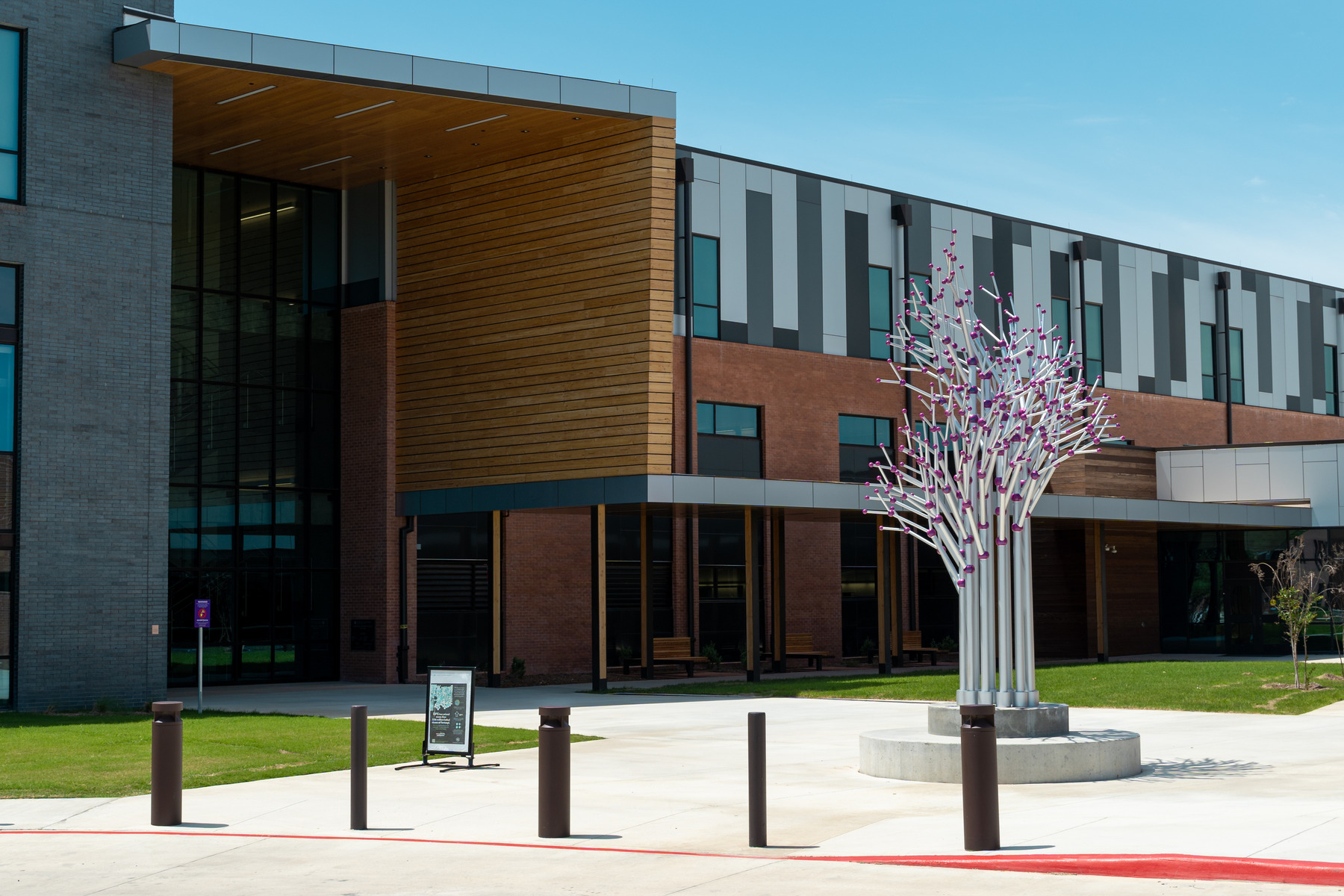
Architects, developers, and commercial property owners increasingly recognize that a building is more than a functional structure. It is often the first physical interaction customers, tenants, and visitors have with a brand. As expectations for customer experience continue to evolve, businesses are looking for new ways to communicate identity, values, and professionalism through the built environment.
This shift has fueled the rise of architectural branding, a design approach that integrates brand identity directly into commercial spaces. From striking building facades and wayfinding systems to immersive branded environments, architectural branding is reshaping how people experience commercial properties.
An experienced architectural signage company plays a critical role in this transformation by helping organizations turn ordinary buildings into memorable brand experiences.
What architectural branding means for commercial properties
Architectural branding integrates a company’s identity into the physical space. Instead of relying on one logo sign, it creates a connected experience throughout the property. Therefore, every touchpoint can reinforce the brand.
Common elements include exterior signage, interior environmental graphics, building materials, lighting, and architectural features. Additionally, branded wayfinding systems help people move through the space with confidence.
Key elements that shape brand perception
- Exterior building signs, monument signs, and architectural lettering
- Interior lobby signage, wall graphics, and dimensional logos
- Wayfinding and directional signage for navigation and accessibility
- Digital displays and interactive brand moments
Why commercial spaces need stronger brand integration
Commercial properties are judged in seconds. Before anyone speaks to staff, the environment creates an impression. A branded space can signal trust, quality, and attention to detail.
Strong brand integration also helps properties stand out in crowded markets. For multi-location organizations, consistent visual cues build recognition and support long-term trust.
How commercial branding in architecture has evolved
In the past, many businesses depended on basic storefront signs for visibility. However, modern customers expect intentional, experience-driven spaces. That shift has changed how teams approach design.
Today, architects, developers, and branding specialists often collaborate earlier in the process. When signage and branding are planned from the start, the result feels cohesive and avoids costly retrofits later.
How an architectural signage company supports building identity systems
A complete identity system creates consistency across the entire property. An experienced architectural signage company helps design, fabricate, and install signage that matches the architecture and brand standards.
These systems often include building directories, directional signs, donor walls, exterior identification, and environmental branding. You can see this approach in action through projects such as Premiere Surgical Arts, where architectural signage and branded environmental elements work together to create a professional and cohesive visitor experience. Consequently, visitors get a smoother experience, and the brand feels more established.
Benefits of a cohesive signage system
- Improves brand recognition across every touchpoint
- Creates a more premium and unified appearance
- Supports tenant attraction and perceived property value
- Reduces confusion with consistent navigation cues
How branded environments improve user experience
People respond quickly to space, light, and layout. Branded environments use these cues to reinforce values without needing extra explanation. For example, a tech company may choose sleek finishes and digital displays to signal innovation.
In healthcare or education, calming colors and clear wayfinding can promote comfort and clarity. Additionally, employees often feel stronger alignment when the workplace reflects company culture.
Why exterior branding design and facade branding matter
The building exterior is the brand’s introduction. Effective exterior branding design combines visibility with aesthetics, so the signage complements the architecture. Options may include illuminated signs, branded entry features, and integrated facade elements.
Business facade branding can also turn the structure into a marketing asset. By using custom materials, dimensional lettering, and architectural lighting, properties can become recognizable landmarks.
Why custom architectural signage is essential
No two properties share the same layout, audience, or conditions. That is why custom architectural signage matters. Tailored solutions help signage fit the building’s intent while staying readable and durable.
Material choice influences the message, too. Metal, glass, acrylic, wood, and stone all create different impressions. Placement and scale also matter, because signage must be seen without overpowering the design.
How commercial wayfinding strengthens the brand journey
Commercial wayfinding is not only functional. It is also part of the brand experience. When typography, colors, icons, and tone match brand guidelines, navigation becomes another layer of brand reinforcement.
Many successful commercial properties incorporate custom wayfinding solutions as part of broader environmental branding programs. Reviewing examples from professional signage portfolios can demonstrate how cohesive wayfinding systems help create intuitive visitor experiences while supporting overall brand identity.
Well-designed wayfinding reduces stress, improves accessibility, and supports better traffic flow. As a result, visitors associate the property with professionalism and care.
Why experiential signage is growing in demand
Many visitors value memorable experiences, not just transactions. Experiential signage supports this trend through interactive and immersive elements. These may include digital signage, feature walls, installations, and environmental graphics.
When done well, experiential signage boosts engagement and brand recall. Additionally, new technology will keep expanding what’s possible inside commercial spaces.
How to choose the right architectural signage company
The right partner makes the process smoother from concept to installation. Look for an architectural signage company with proven commercial experience, strong project management, and in-house capabilities. It is also important to confirm code compliance knowledge and ADA accessibility expertise.
Checklist for selecting a partner
- Commercial portfolio with similar project types
- Design support, fabrication, and professional installation
- Engineering awareness and permit support when needed
- Durable materials and clear maintenance options
What the future holds for architectural branding
Architectural branding will continue to evolve with digital displays, smart building integration, and interactive experiences. Sustainability is also becoming central, with more demand for responsible materials and energy-efficient illumination.
Personalization may expand as well, allowing spaces to adapt content based on visitor needs. Therefore, commercial properties will keep moving toward dynamic, brand-led environments.
Conclusion
Architectural branding helps organizations create commercial spaces that feel intentional, consistent, and easy to navigate. With building identity systems, exterior branding, custom architectural signage, commercial wayfinding, and experiential signage, businesses can transform ordinary buildings into lasting brand experiences.
If you want to elevate your property with signage that fits your architecture and strengthens your brand, contact Aria Signs & Design. Their team can design and deliver a complete solution that leaves a strong impression on every visitor.
FAQs
1. What does an architectural signage company do?
An architectural signage company designs, fabricates, and installs signage systems that integrate with a building’s architecture while supporting branding, navigation, and visitor experience goals.
2. How does architectural branding benefit commercial properties?
Architectural branding helps create stronger brand recognition, improves visitor experiences, enhances property aesthetics, and differentiates commercial spaces from competitors.
3. What are building identity systems?
Building identity systems are coordinated branding elements that include exterior signage, wayfinding, directories, environmental graphics, and architectural features that create a consistent visual presence.
4. Why is commercial wayfinding important?
Commercial wayfinding helps visitors navigate a property efficiently, reduces confusion, improves accessibility, and reinforces brand consistency throughout the space.
5. What is the difference between traditional signage and experiential signage?
Traditional signage primarily provides information or identification, while experiential signage creates interactive, immersive, and memorable experiences that strengthen engagement with a brand.